Buy elipsalab.eu ?
We are moving the project
elipsalab.eu .
Are you interested in purchasing the domain
elipsalab.eu ?
domain@kv-gmbh.de · 0541-91531010
Buy elipsalab.eu ?
How many breaths per minute are normal?
The normal respiratory rate for adults at rest is typically between 12 to 20 breaths per minute. However, factors such as age, fitness level, and underlying health conditions can affect this range. It is important to monitor any significant changes in breathing rate as it could indicate a potential health issue. **
How many breaths per minute does an average person take?
An average person takes around 12-20 breaths per minute at rest. This rate can vary depending on factors such as age, fitness level, and overall health. Breathing rate can also increase during physical activity or in response to stress or illness. **

Similar search terms for Breaths
Top-Angebote
Products related to Breaths:
-
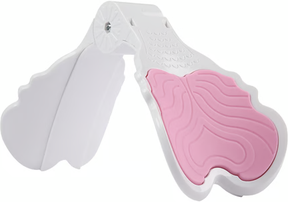
StayWell Pelvic Hip Trainer Strengthen Pelvic Muscles Perfect Fitness & Wellness Gift PinkTransform Your Curves with the Ultimate Pelvic Hip TrainerEvery woman dreams of achieving fuller hips, a curvy back, firm buttocks, and toned inner thighs. With our Pelvic Hip Trainer, you can turn that dream into reality without the need for...34,97 $*Shipping: 0,00 $Secure redirect to the provider
-
Garvee Wooden Play Kitchen for Kids - Innovative Corner Design, Realistic Cooking Sounds - 33.4*351. [Innovative Design]: The Innovative Corner Play Kitchen provides a comprehensive and immersive play experience with realistic features like a microwave, oven, cordless phone, and real chalkboard.133,49 $*Shipping: 0,00 $Secure redirect to the provider
-
Inspire Select 2025 AMOLED ECG Smart Watch Bluetooth Call NFC Fitness & Wellness Tracker blueStay connected while tracking your daily wellness with this advanced ECG smart watch designed for fitness, health monitoring, and smart convenience. Featuring a premium AMOLED smartwatch display, Bluetooth calling, NFC support, and intelligent...279,98 $*Shipping: 0,00 $Secure redirect to the provider



-
What causes chest pain when sneezing and taking deep breaths?
Chest pain when sneezing and taking deep breaths can be caused by a variety of factors. One common cause is musculoskeletal strain, such as a pulled muscle in the chest or ribcage, which can be exacerbated by the sudden force of a sneeze or the expansion of the chest during a deep breath. Other potential causes include respiratory infections, such as bronchitis or pneumonia, which can lead to inflammation and discomfort in the chest. In some cases, underlying heart or lung conditions may also be responsible for chest pain during these activities, so it's important to seek medical evaluation if the pain is persistent or severe. **
-
Do I have to constantly yawn or take deep breaths?
Constant yawning or feeling the need to take deep breaths can be a sign of various underlying health issues, such as fatigue, stress, anxiety, or even respiratory problems. It's important to pay attention to these symptoms and consult with a healthcare professional to determine the cause and receive appropriate treatment. In some cases, lifestyle changes, stress management techniques, or breathing exercises may help alleviate these symptoms. **
-
Shouldn't you take more than two deep breaths before diving?
Yes, it is recommended to take more than two deep breaths before diving. Taking deep breaths helps to increase oxygen levels in the body, which can be beneficial for diving. It also helps to relax the body and mind, which is important for a safe and enjoyable diving experience. Additionally, taking more deep breaths can help to reduce the risk of shallow water blackout, a dangerous condition that can occur during freediving. **
-
Is it normal that I constantly have to take deep breaths?
It is not uncommon for individuals to feel the need to take deep breaths occasionally, especially during times of stress or anxiety. However, if you find yourself constantly needing to take deep breaths, it may be a sign of an underlying issue such as anxiety, asthma, or a respiratory condition. It is important to consult with a healthcare professional to determine the cause of this symptom and to receive appropriate treatment if necessary. **


Is it normal for my cat to sometimes take deep breaths?
Yes, it is normal for cats to take deep breaths occasionally. Cats may take deep breaths after physical activity, when they are feeling stressed or anxious, or when they are trying to cool down. However, if you notice your cat taking deep breaths frequently or if they are accompanied by other concerning symptoms such as coughing or wheezing, it is best to consult with a veterinarian to rule out any underlying health issues. **
Why do I have to take deep breaths all the time?
Taking deep breaths helps to oxygenate the body and improve overall lung function. It can also help to reduce stress and anxiety by activating the body's relaxation response. Deep breathing can also improve concentration and focus by increasing the flow of oxygen to the brain. Overall, incorporating deep breathing into your daily routine can have numerous physical and mental health benefits. **
Top-Angebote
Products related to Breaths:
-
StayWell Innovative Anti Fungal Laser Pen With Cutting Edge Fungal Infections Removal And Safe for Skin Technology Innovative Anti Fungal Laser Pen With Cutting Edge Fungal Infections Removal And Safe for Skin TechnologyDo you avoid going barefoot or wearing sandals because of your unsightly nails If so, our AntiFungal Laser Pen is the solution you've been looking for. Our laser pen combines the power of the infrared pulsed laser and blue light to exterminate...20,97 $*Shipping: 0,00 $Secure redirect to the provider
-
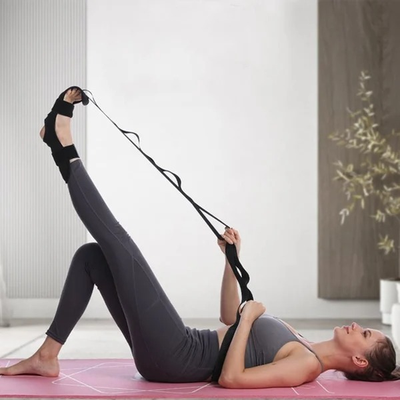
StayWell Fascia Stretcher For Muscle Pain Relief & Flexibility Ideal Fitness & Wellness Gift Fascia Stretcher For Muscle Pain Relief & Flexibility Ideal Fitness & Wellness GiftTransform Your Health with the Ultimate Fascia StretcherAre tight muscles holding you back from living an active, painfree life Persistent muscle tightness, especially in the lower back and legs, can lead to significant discomfort and limit your...26,97 $*Shipping: 0,00 $Secure redirect to the provider
-
StayWell Pelvic Hip Trainer Strengthen Pelvic Muscles Perfect Fitness & Wellness Gift PinkTransform Your Curves with the Ultimate Pelvic Hip TrainerEvery woman dreams of achieving fuller hips, a curvy back, firm buttocks, and toned inner thighs. With our Pelvic Hip Trainer, you can turn that dream into reality without the need for...34,97 $*Shipping: 0,00 $Secure redirect to the provider
-
Garvee Wooden Play Kitchen for Kids - Innovative Corner Design, Realistic Cooking Sounds - 33.4*351. [Innovative Design]: The Innovative Corner Play Kitchen provides a comprehensive and immersive play experience with realistic features like a microwave, oven, cordless phone, and real chalkboard.133,49 $*Shipping: 0,00 $Secure redirect to the provider
-
How many breaths per minute are normal?
The normal respiratory rate for adults at rest is typically between 12 to 20 breaths per minute. However, factors such as age, fitness level, and underlying health conditions can affect this range. It is important to monitor any significant changes in breathing rate as it could indicate a potential health issue. **
-
How many breaths per minute does an average person take?
An average person takes around 12-20 breaths per minute at rest. This rate can vary depending on factors such as age, fitness level, and overall health. Breathing rate can also increase during physical activity or in response to stress or illness. **
-
What causes chest pain when sneezing and taking deep breaths?
Chest pain when sneezing and taking deep breaths can be caused by a variety of factors. One common cause is musculoskeletal strain, such as a pulled muscle in the chest or ribcage, which can be exacerbated by the sudden force of a sneeze or the expansion of the chest during a deep breath. Other potential causes include respiratory infections, such as bronchitis or pneumonia, which can lead to inflammation and discomfort in the chest. In some cases, underlying heart or lung conditions may also be responsible for chest pain during these activities, so it's important to seek medical evaluation if the pain is persistent or severe. **
-
Do I have to constantly yawn or take deep breaths?
Constant yawning or feeling the need to take deep breaths can be a sign of various underlying health issues, such as fatigue, stress, anxiety, or even respiratory problems. It's important to pay attention to these symptoms and consult with a healthcare professional to determine the cause and receive appropriate treatment. In some cases, lifestyle changes, stress management techniques, or breathing exercises may help alleviate these symptoms. **
Similar search terms for Breaths
-
Inspire Select 2025 AMOLED ECG Smart Watch Bluetooth Call NFC Fitness & Wellness Tracker blueStay connected while tracking your daily wellness with this advanced ECG smart watch designed for fitness, health monitoring, and smart convenience. Featuring a premium AMOLED smartwatch display, Bluetooth calling, NFC support, and intelligent...279,98 $*Shipping: 0,00 $Secure redirect to the provider
-
StayWell Pelvic Hip Trainer Strengthen Pelvic Muscles Perfect Fitness & Wellness Gift PurpleTransform Your Curves with the Ultimate Pelvic Hip TrainerEvery woman dreams of achieving fuller hips, a curvy back, firm buttocks, and toned inner thighs. With our Pelvic Hip Trainer, you can turn that dream into reality without the need for...34,97 $*Shipping: 0,00 $Secure redirect to the provider
-
Inspire Select 2025 AMOLED ECG Smart Watch Bluetooth Call NFC Fitness & Wellness Tracker redStay connected while tracking your daily wellness with this advanced ECG smart watch designed for fitness, health monitoring, and smart convenience. Featuring a premium AMOLED smartwatch display, Bluetooth calling, NFC support, and intelligent...279,98 $*Shipping: 0,00 $Secure redirect to the provider
-
Shouldn't you take more than two deep breaths before diving?
Yes, it is recommended to take more than two deep breaths before diving. Taking deep breaths helps to increase oxygen levels in the body, which can be beneficial for diving. It also helps to relax the body and mind, which is important for a safe and enjoyable diving experience. Additionally, taking more deep breaths can help to reduce the risk of shallow water blackout, a dangerous condition that can occur during freediving. **
-
Is it normal that I constantly have to take deep breaths?
It is not uncommon for individuals to feel the need to take deep breaths occasionally, especially during times of stress or anxiety. However, if you find yourself constantly needing to take deep breaths, it may be a sign of an underlying issue such as anxiety, asthma, or a respiratory condition. It is important to consult with a healthcare professional to determine the cause of this symptom and to receive appropriate treatment if necessary. **
-
Is it normal for my cat to sometimes take deep breaths?
Yes, it is normal for cats to take deep breaths occasionally. Cats may take deep breaths after physical activity, when they are feeling stressed or anxious, or when they are trying to cool down. However, if you notice your cat taking deep breaths frequently or if they are accompanied by other concerning symptoms such as coughing or wheezing, it is best to consult with a veterinarian to rule out any underlying health issues. **
-
Why do I have to take deep breaths all the time?
Taking deep breaths helps to oxygenate the body and improve overall lung function. It can also help to reduce stress and anxiety by activating the body's relaxation response. Deep breathing can also improve concentration and focus by increasing the flow of oxygen to the brain. Overall, incorporating deep breathing into your daily routine can have numerous physical and mental health benefits. **
* All prices are inclusive of VAT and, if applicable, plus shipping costs. The offer information is based on the details provided by the respective shop and is updated through automated processes. Real-time updates do not occur, so deviations can occur in individual cases. ** Note: Parts of this content were created by AI.