Buy elipsalab.eu ?
We are moving the project
elipsalab.eu .
Are you interested in purchasing the domain
elipsalab.eu ?
domain@kv-gmbh.de · 0541-91531010
Buy elipsalab.eu ?
Can a ceramic cooktop be scratched by using cleaning paste?
Yes, a ceramic cooktop can be scratched by using cleaning paste. The abrasive nature of cleaning paste can cause scratches on the smooth surface of the cooktop. It is important to use non-abrasive cleaning materials specifically designed for ceramic cooktops to avoid damaging the surface. Always follow the manufacturer's guidelines for cleaning and maintenance to ensure the longevity of your ceramic cooktop. **
Is induction technology more durable than ceramic glass technology?
Induction technology is generally considered more durable than ceramic glass technology. This is because induction cooktops are made with a tough glass-ceramic material that can withstand high temperatures and is less prone to scratches and cracks. Additionally, induction cooktops have fewer parts that can wear out over time compared to ceramic glass cooktops, making them more reliable in the long run. Overall, induction technology is known for its durability and longevity compared to ceramic glass technology. **


Similar search terms for PETEC-70650-Ceramic-Paste
Top-Angebote
Products related to PETEC-70650-Ceramic-Paste:
-
PRESTO 157073 Ceramic Paste SprayOperating temperature from [°C]: 5; Operating temperature to [°C]: 30; Container Type: aerosol; Capacity [ml]: 400; Height: 201; Width [mm]: 69; Depth [mm]: 69; Weight [kg]: 0,39; Observe service information: ; Liquid:6,59 £*Shipping: 8,45 £Secure redirect to the provider


-
Is turned ceramic better than cast ceramic?
It depends on the specific application and requirements. Turned ceramic, also known as machined ceramic, is typically more precise and can achieve tighter tolerances compared to cast ceramic. However, cast ceramic may be more cost-effective for larger and more complex shapes. Additionally, turned ceramic may have better surface finish and mechanical properties, while cast ceramic may have better thermal shock resistance. Ultimately, the choice between turned and cast ceramic depends on the specific needs of the application. **
-
Can cooling paste be used as thermal paste?
Cooling paste and thermal paste are not the same thing. Cooling paste is typically used to improve the heat transfer between a heat sink and a CPU or GPU, while thermal paste is used to fill in microscopic gaps between the two surfaces to improve heat conduction. While cooling paste may have some thermal conductivity, it is not specifically designed for the same purpose as thermal paste and may not provide the same level of performance. It is recommended to use thermal paste specifically designed for use in electronic devices for optimal heat dissipation. **
-
Induction or ceramic?
The choice between induction and ceramic cooktops depends on personal preferences and cooking habits. Induction cooktops are more energy-efficient, faster, and offer precise temperature control, but they require compatible cookware. Ceramic cooktops are more affordable and easier to clean, but they heat up and cool down more slowly. Ultimately, the decision between induction and ceramic cooktops should be based on your cooking needs and budget. **
-
Is ceramic ovenproof?
Yes, ceramic is ovenproof and can withstand high temperatures. It is a popular choice for bakeware and ovenware because it distributes heat evenly and retains it well. However, it is important to check the specific instructions for each ceramic product as some may have limitations on the maximum temperature they can withstand. **


Is thermal paste the same as soft solder paste?
No, thermal paste and soft solder paste are not the same. Thermal paste is a heat-conductive compound used to improve the heat transfer between a CPU or GPU and its heat sink, while soft solder paste is a low-temperature solder used for joining electronic components. While both pastes are used in electronics, they serve different purposes and have different properties. **
Which Miso Paste?
There are different types of miso paste available, such as white miso, red miso, and mixed miso. White miso is milder and sweeter in flavor, while red miso is stronger and saltier. Mixed miso is a combination of both white and red miso, offering a balanced flavor profile. The type of miso paste you choose will depend on your personal preference and the recipe you are making. **
Top-Angebote
Products related to PETEC-70650-Ceramic-Paste:
-
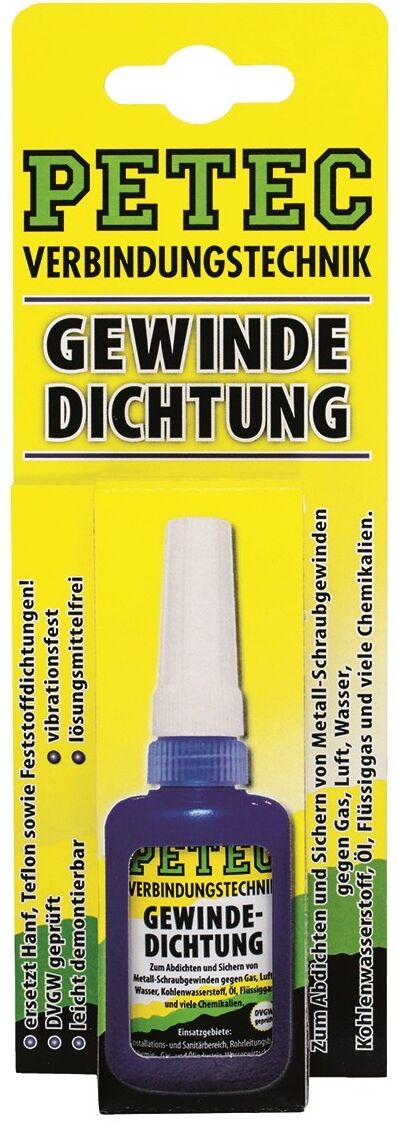
PETEC 97215 Thread Sealer PasteContainer Type: Tube; Contents [g]: 15; Quantity Unit: Gram; Capacity [ml]: 15; Chemical Properties: Medium Solidity, hardening, high corrosion protection, Heat-resistant, Saltwater-Resistant, Fuel-Resistant, Oil resistant, Chemical Resistant; Temperature range from [°C]: -55; Temperature range to [°C]: +180; Operating pressure to [bar]: 60; Release Torque [Nm]: 14; resistant to: Compressed Air, Grease, Gas, Hydraulic Oil, Urea Solution (AdBlue®), Water and compressed air; Observe technical data: ; Observe assembly information: ; Liquid:5,59 £*Shipping: 8,45 £Secure redirect to the provider
-
PRESTO 157073 Ceramic Paste SprayOperating temperature from [°C]: 5; Operating temperature to [°C]: 30; Container Type: aerosol; Capacity [ml]: 400; Height: 201; Width [mm]: 69; Depth [mm]: 69; Weight [kg]: 0,39; Observe service information: ; Liquid:6,59 £*Shipping: 8,45 £Secure redirect to the provider
-
Can a ceramic cooktop be scratched by using cleaning paste?
Yes, a ceramic cooktop can be scratched by using cleaning paste. The abrasive nature of cleaning paste can cause scratches on the smooth surface of the cooktop. It is important to use non-abrasive cleaning materials specifically designed for ceramic cooktops to avoid damaging the surface. Always follow the manufacturer's guidelines for cleaning and maintenance to ensure the longevity of your ceramic cooktop. **
-
Is induction technology more durable than ceramic glass technology?
Induction technology is generally considered more durable than ceramic glass technology. This is because induction cooktops are made with a tough glass-ceramic material that can withstand high temperatures and is less prone to scratches and cracks. Additionally, induction cooktops have fewer parts that can wear out over time compared to ceramic glass cooktops, making them more reliable in the long run. Overall, induction technology is known for its durability and longevity compared to ceramic glass technology. **
-
Is turned ceramic better than cast ceramic?
It depends on the specific application and requirements. Turned ceramic, also known as machined ceramic, is typically more precise and can achieve tighter tolerances compared to cast ceramic. However, cast ceramic may be more cost-effective for larger and more complex shapes. Additionally, turned ceramic may have better surface finish and mechanical properties, while cast ceramic may have better thermal shock resistance. Ultimately, the choice between turned and cast ceramic depends on the specific needs of the application. **
-
Can cooling paste be used as thermal paste?
Cooling paste and thermal paste are not the same thing. Cooling paste is typically used to improve the heat transfer between a heat sink and a CPU or GPU, while thermal paste is used to fill in microscopic gaps between the two surfaces to improve heat conduction. While cooling paste may have some thermal conductivity, it is not specifically designed for the same purpose as thermal paste and may not provide the same level of performance. It is recommended to use thermal paste specifically designed for use in electronic devices for optimal heat dissipation. **
Similar search terms for PETEC-70650-Ceramic-Paste
-
Induction or ceramic?
The choice between induction and ceramic cooktops depends on personal preferences and cooking habits. Induction cooktops are more energy-efficient, faster, and offer precise temperature control, but they require compatible cookware. Ceramic cooktops are more affordable and easier to clean, but they heat up and cool down more slowly. Ultimately, the decision between induction and ceramic cooktops should be based on your cooking needs and budget. **
-
Is ceramic ovenproof?
Yes, ceramic is ovenproof and can withstand high temperatures. It is a popular choice for bakeware and ovenware because it distributes heat evenly and retains it well. However, it is important to check the specific instructions for each ceramic product as some may have limitations on the maximum temperature they can withstand. **
-
Is thermal paste the same as soft solder paste?
No, thermal paste and soft solder paste are not the same. Thermal paste is a heat-conductive compound used to improve the heat transfer between a CPU or GPU and its heat sink, while soft solder paste is a low-temperature solder used for joining electronic components. While both pastes are used in electronics, they serve different purposes and have different properties. **
-
Which Miso Paste?
There are different types of miso paste available, such as white miso, red miso, and mixed miso. White miso is milder and sweeter in flavor, while red miso is stronger and saltier. Mixed miso is a combination of both white and red miso, offering a balanced flavor profile. The type of miso paste you choose will depend on your personal preference and the recipe you are making. **
* All prices are inclusive of VAT and, if applicable, plus shipping costs. The offer information is based on the details provided by the respective shop and is updated through automated processes. Real-time updates do not occur, so deviations can occur in individual cases. ** Note: Parts of this content were created by AI.