Buy elipsalab.eu ?
We are moving the project
elipsalab.eu .
Are you interested in purchasing the domain
elipsalab.eu ?
domain@kv-gmbh.de · 0541-91531010
Buy elipsalab.eu ?
What is the meaning of "wen"?
"Wen" is a colloquial term that originated in African American Vernacular English (AAVE) and is used to mean "when." It is often used in informal speech and writing to convey a sense of familiarity and casualness. The use of "wen" is a part of the rich and diverse linguistic landscape of AAVE, which has contributed significantly to American English. **
'Den or dem? Wen or wem?'
In German, "den" and "wen" are used as the accusative forms of the masculine and neuter definite articles, as well as for masculine and neuter direct objects. On the other hand, "dem" and "wem" are used as the dative forms of the masculine and neuter definite articles, as well as for masculine and neuter indirect objects. It's important to pay attention to the case and gender of the noun in order to use the correct form. **

Similar search terms for Wen
Top-Angebote
Products related to Wen:
-
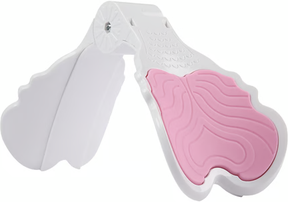
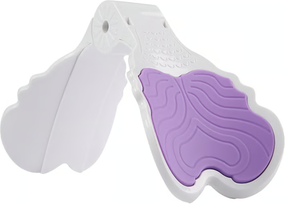
StayWell Pelvic Hip Trainer Strengthen Pelvic Muscles Perfect Fitness & Wellness Gift PinkTransform Your Curves with the Ultimate Pelvic Hip TrainerEvery woman dreams of achieving fuller hips, a curvy back, firm buttocks, and toned inner thighs. With our Pelvic Hip Trainer, you can turn that dream into reality without the need for...34,97 $*Shipping: 0,00 $Secure redirect to the provider
-
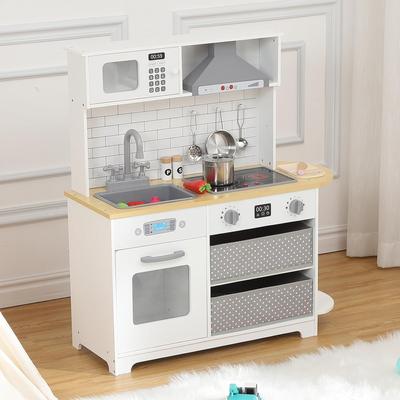
Garvee Wooden Play Kitchen for Kids - Innovative Corner Design, Realistic Cooking Sounds - 33.4*351. [Innovative Design]: The Innovative Corner Play Kitchen provides a comprehensive and immersive play experience with realistic features like a microwave, oven, cordless phone, and real chalkboard.133,49 $*Shipping: 0,00 $Secure redirect to the provider
-
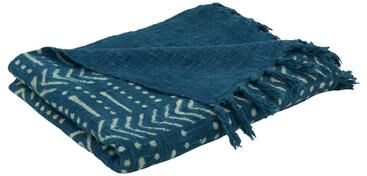
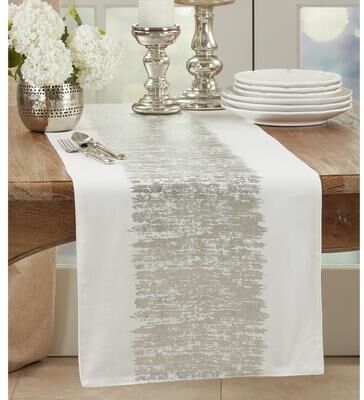
Saro Lifestyle Banded Design RunnerProvide a fresh perspective to your dining table with the banded design table runner. Made with cotton, this white table runner features metallic detail in a banded design that adds subtle sophistication and style to your tablescape.29,62 $*Shipping: 0,00 $Secure redirect to the provider
-
Why is "wen" used instead of "wem"?
"Wen" is used instead of "wem" in English because "wen" is the correct form of the word when used as an interrogative pronoun. "Wem" is an older form of the word that is no longer commonly used in modern English. The use of "wen" helps to maintain clarity and consistency in language usage. **
-
Why do we use "wen" and not "wem"?
"We" is used as the subject of a sentence, while "us" is used as the object. "Wen" is the objective form of "we," so it is used when "we" is the object of a verb or preposition. On the other hand, "wem" is not a standard English word and is not used in place of "wen." Therefore, we use "wen" and not "wem" because "wen" is the correct objective form of "we" in English. **
-
What is the difference between "wen" and "wem"?
"Wen" is used as a question word to ask about the subject of a sentence, while "wem" is used to ask about the indirect object. For example, "Wen hast du gesehen?" means "Whom did you see?" and "Wem hast du das Buch gegeben?" means "To whom did you give the book?" The main difference is that "wen" is used for the direct object and "wem" is used for the indirect object in German grammar. **
-
"Was früher Wer kennt wen von euch benutzt?"
Früher wurde die Plattform "Wer kennt wen" von vielen Menschen genutzt, um sich online zu vernetzen und Kontakte zu pflegen. Es war eine beliebte Social-Media-Plattform in Deutschland, bevor andere Plattformen wie Facebook und Instagram populärer wurden. Heutzutage wird "Wer kennt wen" nicht mehr so häufig genutzt wie früher, da die Nutzer zu anderen sozialen Netzwerken gewechselt sind. **

Does it say "an welche" or "an wen"?
The correct phrase is "an wen" because it is asking for a specific person or entity. "An welche" would be used when asking about a specific thing or object. So, in this case, "an wen" is the correct phrase to use when asking about a person or individual. **
What is the difference between "wem" and "wen"?
"Wem" and "wen" are both pronouns used in the German language to indicate the indirect object of a sentence. The main difference between the two is that "wem" is used in the dative case, while "wen" is used in the accusative case. In other words, "wem" is used when the indirect object is the recipient of the action, while "wen" is used when the indirect object is the target of the action. For example, "Ich gebe dem Mann das Buch" (I give the book to the man) uses "dem Mann" (dative) with "wem," while "Ich sehe den Mann" (I see the man) uses "den Mann" (accusative) with "wen." **
Top-Angebote
Products related to Wen:
-
StayWell Innovative Anti Fungal Laser Pen With Cutting Edge Fungal Infections Removal And Safe for Skin Technology Innovative Anti Fungal Laser Pen With Cutting Edge Fungal Infections Removal And Safe for Skin TechnologyDo you avoid going barefoot or wearing sandals because of your unsightly nails If so, our AntiFungal Laser Pen is the solution you've been looking for. Our laser pen combines the power of the infrared pulsed laser and blue light to exterminate...20,97 $*Shipping: 0,00 $Secure redirect to the provider
-
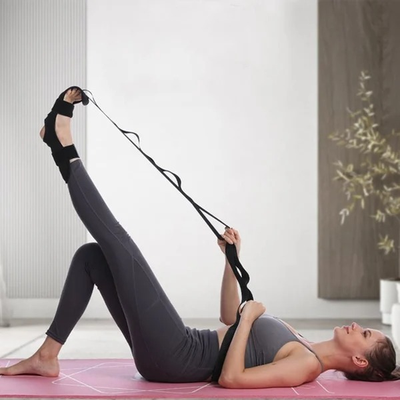
StayWell Fascia Stretcher For Muscle Pain Relief & Flexibility Ideal Fitness & Wellness Gift Fascia Stretcher For Muscle Pain Relief & Flexibility Ideal Fitness & Wellness GiftTransform Your Health with the Ultimate Fascia StretcherAre tight muscles holding you back from living an active, painfree life Persistent muscle tightness, especially in the lower back and legs, can lead to significant discomfort and limit your...26,97 $*Shipping: 0,00 $Secure redirect to the provider
-
StayWell Pelvic Hip Trainer Strengthen Pelvic Muscles Perfect Fitness & Wellness Gift PinkTransform Your Curves with the Ultimate Pelvic Hip TrainerEvery woman dreams of achieving fuller hips, a curvy back, firm buttocks, and toned inner thighs. With our Pelvic Hip Trainer, you can turn that dream into reality without the need for...34,97 $*Shipping: 0,00 $Secure redirect to the provider
-
Garvee Wooden Play Kitchen for Kids - Innovative Corner Design, Realistic Cooking Sounds - 33.4*351. [Innovative Design]: The Innovative Corner Play Kitchen provides a comprehensive and immersive play experience with realistic features like a microwave, oven, cordless phone, and real chalkboard.133,49 $*Shipping: 0,00 $Secure redirect to the provider
-
What is the meaning of "wen"?
"Wen" is a colloquial term that originated in African American Vernacular English (AAVE) and is used to mean "when." It is often used in informal speech and writing to convey a sense of familiarity and casualness. The use of "wen" is a part of the rich and diverse linguistic landscape of AAVE, which has contributed significantly to American English. **
-
'Den or dem? Wen or wem?'
In German, "den" and "wen" are used as the accusative forms of the masculine and neuter definite articles, as well as for masculine and neuter direct objects. On the other hand, "dem" and "wem" are used as the dative forms of the masculine and neuter definite articles, as well as for masculine and neuter indirect objects. It's important to pay attention to the case and gender of the noun in order to use the correct form. **
-
Why is "wen" used instead of "wem"?
"Wen" is used instead of "wem" in English because "wen" is the correct form of the word when used as an interrogative pronoun. "Wem" is an older form of the word that is no longer commonly used in modern English. The use of "wen" helps to maintain clarity and consistency in language usage. **
-
Why do we use "wen" and not "wem"?
"We" is used as the subject of a sentence, while "us" is used as the object. "Wen" is the objective form of "we," so it is used when "we" is the object of a verb or preposition. On the other hand, "wem" is not a standard English word and is not used in place of "wen." Therefore, we use "wen" and not "wem" because "wen" is the correct objective form of "we" in English. **
Similar search terms for Wen
-
Saro Lifestyle Banded Design RunnerProvide a fresh perspective to your dining table with the banded design table runner. Made with cotton, this white table runner features metallic detail in a banded design that adds subtle sophistication and style to your tablescape.29,62 $*Shipping: 0,00 $Secure redirect to the provider
-
StayWell Pelvic Hip Trainer Strengthen Pelvic Muscles Perfect Fitness & Wellness Gift PurpleTransform Your Curves with the Ultimate Pelvic Hip TrainerEvery woman dreams of achieving fuller hips, a curvy back, firm buttocks, and toned inner thighs. With our Pelvic Hip Trainer, you can turn that dream into reality without the need for...34,97 $*Shipping: 0,00 $Secure redirect to the provider
-
Saro Lifestyle Banded Design RunnerProvide a fresh perspective to your dining table with the banded design table runner. Made with cotton, this white table runner features metallic detail in a banded design that adds subtle sophistication and style to your tablescape.41,64 $*Shipping: 0,00 $Secure redirect to the provider
-
What is the difference between "wen" and "wem"?
"Wen" is used as a question word to ask about the subject of a sentence, while "wem" is used to ask about the indirect object. For example, "Wen hast du gesehen?" means "Whom did you see?" and "Wem hast du das Buch gegeben?" means "To whom did you give the book?" The main difference is that "wen" is used for the direct object and "wem" is used for the indirect object in German grammar. **
-
"Was früher Wer kennt wen von euch benutzt?"
Früher wurde die Plattform "Wer kennt wen" von vielen Menschen genutzt, um sich online zu vernetzen und Kontakte zu pflegen. Es war eine beliebte Social-Media-Plattform in Deutschland, bevor andere Plattformen wie Facebook und Instagram populärer wurden. Heutzutage wird "Wer kennt wen" nicht mehr so häufig genutzt wie früher, da die Nutzer zu anderen sozialen Netzwerken gewechselt sind. **
-
Does it say "an welche" or "an wen"?
The correct phrase is "an wen" because it is asking for a specific person or entity. "An welche" would be used when asking about a specific thing or object. So, in this case, "an wen" is the correct phrase to use when asking about a person or individual. **
-
What is the difference between "wem" and "wen"?
"Wem" and "wen" are both pronouns used in the German language to indicate the indirect object of a sentence. The main difference between the two is that "wem" is used in the dative case, while "wen" is used in the accusative case. In other words, "wem" is used when the indirect object is the recipient of the action, while "wen" is used when the indirect object is the target of the action. For example, "Ich gebe dem Mann das Buch" (I give the book to the man) uses "dem Mann" (dative) with "wem," while "Ich sehe den Mann" (I see the man) uses "den Mann" (accusative) with "wen." **
* All prices are inclusive of VAT and, if applicable, plus shipping costs. The offer information is based on the details provided by the respective shop and is updated through automated processes. Real-time updates do not occur, so deviations can occur in individual cases. ** Note: Parts of this content were created by AI.